








Winter brings cozy moments, snowy walks, and warm cuddles—but for some dogs, it can also bring a shift in mood. Many pups experience cold weather anxiety, a seasonal stress response triggered by changes in temperature, routine, and sunlight.
Just like we adjust to winter, our dogs need thoughtful care to feel comfortable and emotionally balanced. With the right support, winter can become a season they enjoy—not one they fear.
This guide breaks down the signs of cold weather anxiety, why it happens, and the simple steps you can take to help your pup feel calm and confident all season long.
Understanding Cold Weather Anxiety in Dogs
Cold weather anxiety refers to feelings of stress or discomfort some dogs experience during the winter months. It can be caused by:
- Lower temperatures
- Reduced outdoor time
- Sudden weather noises (wind, storms, plows, heaters)
- Shorter daylight hours
- Changes in household routine
Even the most confident dogs can become unsure when their environment changes dramatically.
Common Signs of Cold Weather Anxiety
Every dog expresses stress differently, but these are the most common indicators:
- Shivering or trembling (unrelated to being physically cold)
- Restlessness or pacing
- Clinging, following you around the house
- Whining, barking, or unusual vocalizations
- Avoiding the outdoors
- Changes in appetite
- Sleeping more than usual
- Destructive or attention-seeking behaviors
If these signs appear mostly during winter, cold weather could be the cause.
Why Does Cold Weather Affect Dogs Emotionally?
Less Sunlight Affects Mood
Shorter daylight hours can lower serotonin production—yes, even in dogs. This can reduce energy levels and increase feelings of stress or irritability.
Cold Temperatures Reduce Outdoor Activity
Many dogs thrive on daily movement and brain stimulation. When icy weather limits walks or playtime, they can feel bored, frustrated, or anxious.
Winter Noises Feel Scarier
Wind gusts, ice cracking, plows, heaters, and storms create unfamiliar sounds that sensitive dogs may find overwhelming.
Changes in Routine
Different work hours, holiday gatherings, and indoor confinement can disrupt a dog’s normal rhythm, leading to emotional stress.
How to Help Your Dog Feel Calm and Confident in Winter
Winter doesn’t have to be stressful for your pup! With a few simple changes, you can help soothe anxiety and create a warm, comforting environment all season long.
1. Keep Them Warm With Layers & Cozy Spaces
A warm pup is a confident pup. Provide:
- A soft blanket or heated pet bed
- A winter jacket for outdoor walks
- Booties for pups sensitive to ice or salt
This helps your dog feel safe, secure, and protected from the elements.
2. Maintain a Consistent Routine
Try to keep wake-up times, walks, meals, and bedtime consistent. Dogs feel calmer when they know what to expect.
3. Add Indoor Enrichment to Release Stress
Mental stimulation is the secret to a happy winter pup. Try:
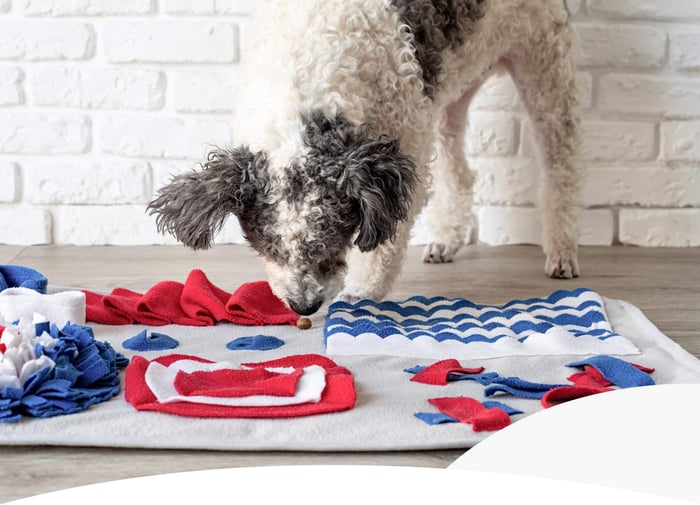
- Snuffle mats
- Nose-work games
- Food puzzles
- Hide-and-seek treats
- Light at-home training sessions
These mimic outdoor stimulation and help dogs burn energy while staying cozy indoors.
4. Support Their Mood Through Nutrition
A functional diet can help support a balanced mood, digestion, and overall wellness—even through seasonal changes.
How Gutsy Happy Bites Can Help
Crumps’ Naturals Gutsy Happy Bites use simple, purposeful ingredients—including prebiotics, fermented yeast, and adaptogens like Ginseng and Boswellia—to help support:
- Emotional balance
- Stress resilience
- Healthy digestion (a key factor in mood regulation)
Because when the gut feels good, the mind feels good too.
5. Stay Active—Even in Short Bursts
If long walks aren’t possible, aim for:
- Quick 10-minute outdoor trots
- Short play sessions in the backyard
- Light indoor fetch or tug
Movement supports emotional regulation and lowers stress.
6. Use Positive Reinforcement During Storms or Windy Nights
Pair scary winter noises with comfort:
- Soft praise
- Gentle petting
- A calming lick mat
- A cozy spot beside you
- A favorite treat as reassurance
Over time, your dog starts associating winter nights with safety—not fear.
7. Try Sensory Comforts
Dogs respond well to calming sensory cues:
- Warm lighting
- Soft music
- Mild dog-safe aromatherapy (lavender is popular)
These help create a peaceful environment when the weather outside gets intense.
When to Contact Your Vet
If your dog’s anxiety is severe, persistent, or unusual, it’s always a good idea to consult your veterinarian. They can rule out pain, joint discomfort, or other medical conditions that may worsen in winter.
Winter Can Be Wonderful—With the Right Support
Cold weather anxiety is more common than many pet parents realize, but the good news is that small, thoughtful adjustments can make a world of difference.
At Crumps’ Naturals, we believe every dog deserves to feel their best—inside and out. With nourishing, purposeful ingredients and science-backed functional treats, you can help your pup feel happy, calm, and comfortable all winter long.
Because when your dog feels safe, you feel safe too—and winter becomes a season you both can enjoy together.